
Educational content only. No promises of outcomes. This website is an informational resource and does not provide medical advice, diagnosis, or treatment recommendations.
Understanding Core Nutritional Science
What are Nutrients?
Nutrients are substances found in food that provide the essential elements required for human bodily functions, growth, and maintenance. They are classified into various categories based on their roles and characteristics.
Why Nutrition Matters
Nutrition forms the foundation of human physiology. Every cell in the body requires nutrients to function properly. From energy production to immune system support, from tissue repair to hormone regulation, nutrients are fundamental to maintaining optimal health and supporting the body's various systems.
Understanding the basic principles of nutrition helps individuals make informed choices about their dietary habits and recognize the importance of balanced food intake in daily life. This knowledge contributes to a better understanding of how different food components work together to support bodily functions.
- Nutrients provide energy for daily activities
- Nutrients support growth and tissue repair
- Nutrients maintain immune system function
- Nutrients regulate various metabolic processes
- Nutrients support cognitive and nervous system function
Macronutrients: Fueling the Body
Macronutrients are the primary nutrients that provide energy and support various physiological functions. The three main categories of macronutrients are carbohydrates, proteins, and fats, each with distinct roles in the body.
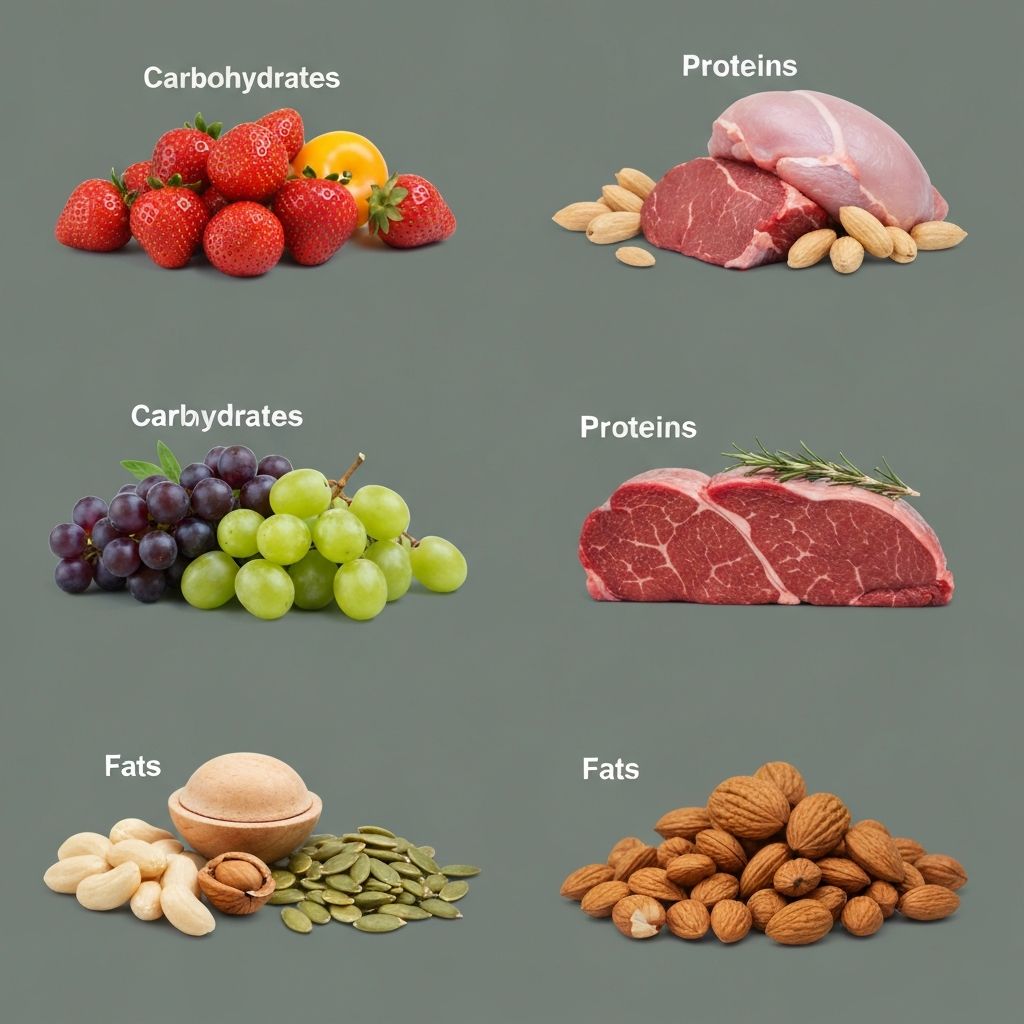
Carbohydrates
Carbohydrates are the body's primary source of energy. They are broken down into glucose, which fuels cellular activity and provides energy for physical and mental functions.
Common sources: Whole grains, fruits, vegetables, legumes, and oats.
Proteins
Proteins serve as building blocks for muscles, enzymes, hormones, and various tissues. They play critical roles in tissue repair, immune function, and the production of essential biochemical compounds.
Common sources: Lean meats, fish, eggs, legumes, nuts, and dairy products.
Fats
Fats provide concentrated energy and support the absorption of fat-soluble vitamins. They are essential for hormone production, cell structure, and the protection of vital organs.
Common sources: Olive oil, avocados, nuts, seeds, and fatty fish.
The Crucial Role of Vitamins
Vitamins are organic compounds that support various metabolic processes and maintain optimal health. Select each vitamin to learn more about its functions and common sources.
Vitamin A is essential for maintaining healthy vision, supporting immune function, and promoting skin health. It plays a role in cellular growth and differentiation, contributing to the maintenance of various tissues throughout the body.
Common sources: Carrots, sweet potatoes, spinach, kale, broccoli, and liver.
Vitamin C supports immune function, acts as an antioxidant, and is essential for collagen synthesis. It plays important roles in wound healing and helps maintain the integrity of connective tissues.
Common sources: Citrus fruits, berries, bell peppers, tomatoes, and broccoli.
Vitamin D is critical for calcium absorption, bone formation, and maintenance. It supports immune function and plays roles in cell differentiation and muscle function. The body can synthesize Vitamin D when skin is exposed to sunlight.
Common sources: Fatty fish, egg yolks, mushrooms exposed to sunlight, and fortified dairy products.
Vitamin E functions as a powerful antioxidant, protecting cells from oxidative stress. It supports immune function and plays important roles in maintaining cellular health and integrity.
Common sources: Nuts, seeds, vegetable oils, leafy greens, and whole grains.
B vitamins (B1, B2, B3, B5, B6, B7, B9, B12) are essential for energy production, metabolism, and nervous system function. They support the conversion of food into usable energy and maintain various metabolic pathways.
Common sources: Whole grains, meats, eggs, legumes, leafy greens, and dairy products.
Essential Minerals for Well-being
Minerals are inorganic compounds that support various physiological processes. They are essential for bone health, nerve transmission, muscle contraction, and countless other bodily functions. A diverse diet helps ensure adequate mineral intake.

| Mineral | Key Functions | Common Sources |
|---|---|---|
| Zinc | Immune function, wound healing, protein synthesis | Oysters, beef, chicken, legumes, seeds, nuts |
| Magnesium | Muscle and nerve function, energy production, bone health | Spinach, seeds, nuts, whole grains, legumes |
| Iron | Oxygen transport, energy production, cognitive function | Red meat, poultry, fish, legumes, leafy greens |
| Calcium | Bone structure, muscle contraction, nerve transmission | Dairy products, leafy greens, fortified plant-based drinks |
| Potassium | Fluid balance, muscle contraction, heart function | Bananas, potatoes, spinach, beans, avocados |
| Sodium | Fluid balance, nerve transmission, muscle function | Table salt, processed foods, seaweed |
Dietary Fiber and Digestive Health
Soluble Fiber
Soluble fiber dissolves in water to form a gel-like substance. It feeds beneficial bacteria in the gut and helps maintain stable blood sugar levels. Soluble fiber is associated with cardiovascular support and healthy digestion.
Sources: Oats, barley, beans, apples, citrus fruits, and carrots.
Insoluble Fiber
Insoluble fiber does not dissolve in water and helps promote regular bowel movements. It adds bulk to stool and supports digestive health by facilitating the movement of food through the digestive tract.
Sources: Whole wheat, brown rice, nuts, seeds, and vegetable skins.
Why Fiber Matters
Dietary fiber plays several important roles in the body:
- Supports healthy digestion and regular bowel movements
- Feeds beneficial gut bacteria
- Contributes to stable energy levels
- Supports cardiovascular health
- Promotes satiety and stable appetite regulation
Hydration: More Than Just Water

The Importance of Hydration
Water comprises approximately 60% of adult body weight and is essential for virtually all physiological processes. Adequate hydration supports:
- Temperature regulation through perspiration
- Nutrient transport and absorption
- Waste removal and detoxification
- Joint lubrication and tissue protection
- Cognitive function and concentration
- Energy production and metabolism
- Digestive health and regularity
Individual hydration needs vary based on activity level, climate, and overall health. While water is the primary source of hydration, other beverages and water-rich foods also contribute to daily fluid intake.
Navigating Food Groups for a Balanced Diet
A balanced diet incorporates a variety of food groups, each providing unique nutrients and health benefits. Understanding these groups helps support informed dietary choices.

Grains
Whole grains provide carbohydrates, fiber, and B vitamins. They form the foundation of energy production and support digestive health. Emphasis should be on whole grain varieties over refined options.

Fruits & Vegetables
Rich in vitamins, minerals, fiber, and phytonutrients, fruits and vegetables support immune function and provide protective compounds. A diverse array of colors represents different nutritional profiles.

Proteins
Protein sources support muscle maintenance, immune function, and enzyme production. Variety in protein sources, including plant-based and animal-based options, ensures diverse micronutrient intake.

Building a Balanced Plate
Combining multiple food groups creates nutritionally complete meals. A balanced approach typically includes proteins, whole grains, colorful vegetables, and healthy fats in appropriate proportions.
Lifestyle Factors Beyond the Plate
While nutrition is foundational to health, other lifestyle factors work synergistically to support well-being. These elements are interconnected and mutually reinforcing.
Physical Activity
Regular movement and exercise support cardiovascular health, muscle maintenance, bone density, metabolic function, and mental well-being. Physical activity works alongside proper nutrition to optimize bodily functions.
Sleep and Rest
Quality sleep is essential for recovery, immune function, metabolic regulation, and cognitive performance. Sleep and nutrition work together to support the body's restoration processes and maintain overall health.
Stress Management
Chronic stress can impact digestive function and metabolic processes. Incorporating stress management practices supports the body's ability to absorb and utilize nutrients effectively.
- Consistent physical activity supports cardiovascular and metabolic health
- Adequate sleep promotes recovery and optimal body function
- Stress reduction supports digestive health and nutrient absorption
- These factors work synergistically with proper nutrition
Understanding Common Nutritional Myths
Nutritional science has evolved, and many long-held beliefs have been refined through research. Understanding facts versus myths helps support informed dietary choices.
All fats are unhealthy.
Dietary fats are essential nutrients that support hormone production, vitamin absorption, and brain function. Different types of fats have varying effects on health.
Healthy fats support bodily functions.
Monounsaturated and polyunsaturated fats, found in sources like olive oil, nuts, and fish, support cardiovascular and cognitive health. Fat intake should be part of a balanced diet.
Carbohydrates should be avoided.
Carbohydrates are the body's primary energy source. The quality and type of carbohydrates matter more than their presence in the diet.
Whole-grain carbohydrates support health.
Whole grains provide fiber, vitamins, and minerals while supporting stable energy levels. The emphasis should be on unrefined carbohydrate sources.
Breakfast must include specific foods.
Breakfast composition varies based on individual needs and preferences. What matters is providing balanced nutrition to support the day's activities.
A balanced breakfast supports energy.
A breakfast including protein, complex carbohydrates, and healthy fats can support sustained energy and cognitive function throughout the morning.
Principles of Balanced Eating
Balanced eating is based on understanding how different nutrients work together to support health. These principles provide a framework for integrating diverse nutrients into daily meals without requiring specific meal plans.
- Diversity: Include a variety of foods from different groups to ensure diverse nutrient intake.
- Moderation: Portion sizes and food quantities should reflect individual energy and nutrient needs.
- Whole Foods: Prioritize minimally processed foods to maximize nutrient density and minimize additives.
- Hydration: Adequate water intake supports all physiological processes and should be consistent throughout the day.
- Mindfulness: Awareness of eating patterns and food choices supports informed decisions about nutrition.

Dive Deeper into the World of Nutrition and Well-being
Explore our comprehensive resource to expand your understanding of nutritional science and its application to daily life.
Explore Article